


Knowledge Nugget IFI Book Vol 1 ( Part 2 )
Home \ Publication \ Publication \ Knowledge Nugget IFI Book Vol 1 \ Part 2
Unlocking the Secrets of Effective Learning in Indonesia
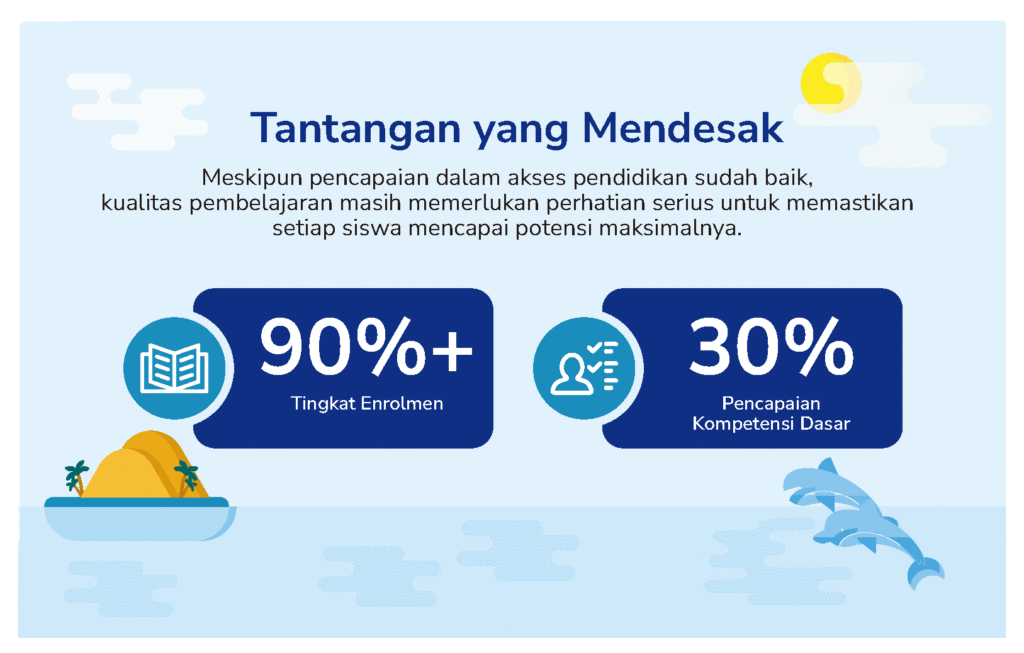
Indonesia’s education system is at a crossroads. With over 90% of children aged 6–14 enrolled in school, the country has made impressive strides in getting kids into classrooms. Yet, international tests reveal a different story – only about 30% of students achieve basic proficiency in reading and math, and a 2015 World Bank analysis found nearly 55% of 15-year-olds are functionally illiterate. In this chapter, we dive into what truly works to boost learning outcomes, by examining evidence from both global research and local experiences.
The Learning Challenge: More Than Just Attendance
High enrolment numbers are a great start, but they don’t automatically lead to better learning outcomes. This gap between attendance and achievement highlights a pressing need: the focus must shift from simply getting kids into school to ensuring they actually learn.
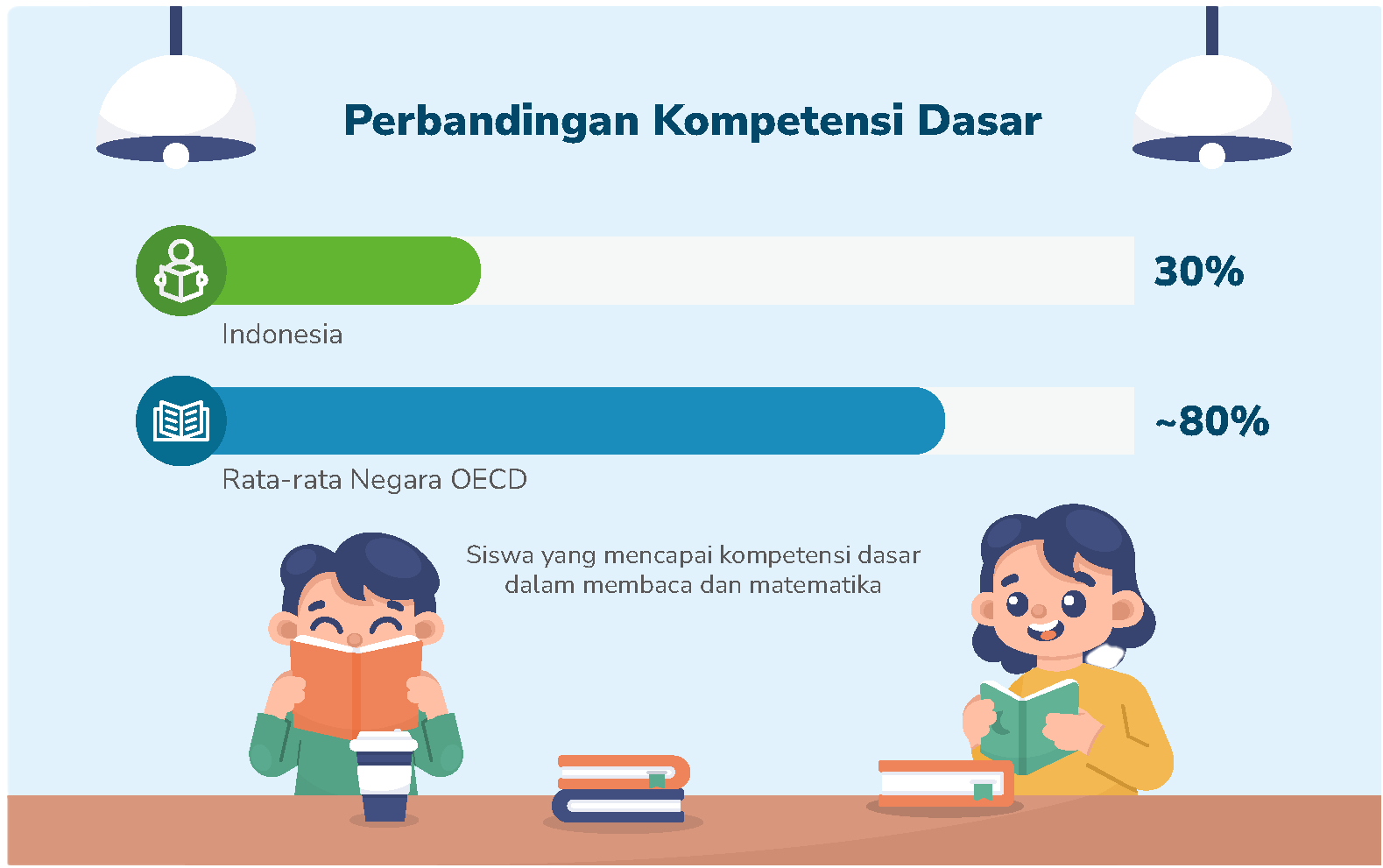
Hard Fact: According to PISA, only about 30% of Indonesian students reach basic competency in reading and math (OECD, 2019). Additionally, a World Bank analysis in 2015 reported that nearly 55% of 15-year-olds are functionally illiterate.
Classroom Practices That Make a Difference
Improving learning begins in the classroom. Research and real-life experiments in Indonesia point to several key strategies that can turn around low learning outcomes:
Structured Literacy Instruction:
Studies show that children benefit from a sequenced, phonics-based approach to reading. When kids are taught to decode words systematically and given regular exposure to engaging, level‑appropriate books, their reading skills improve significantly.
Hard Fact: Evidence indicates that consistent reading practice with properly levelled material can boost literacy proficiency by measurable margins (Fearnley-Sander, 2020).
Hands-on Numeracy Learning:
In math, students learn best when instruction starts with concrete, hands‑on activities before moving to abstract concepts. Using tangible aids like counters or visual models can make basic mathematical ideas more accessible.
Frequent, Low-Stakes Assessments:
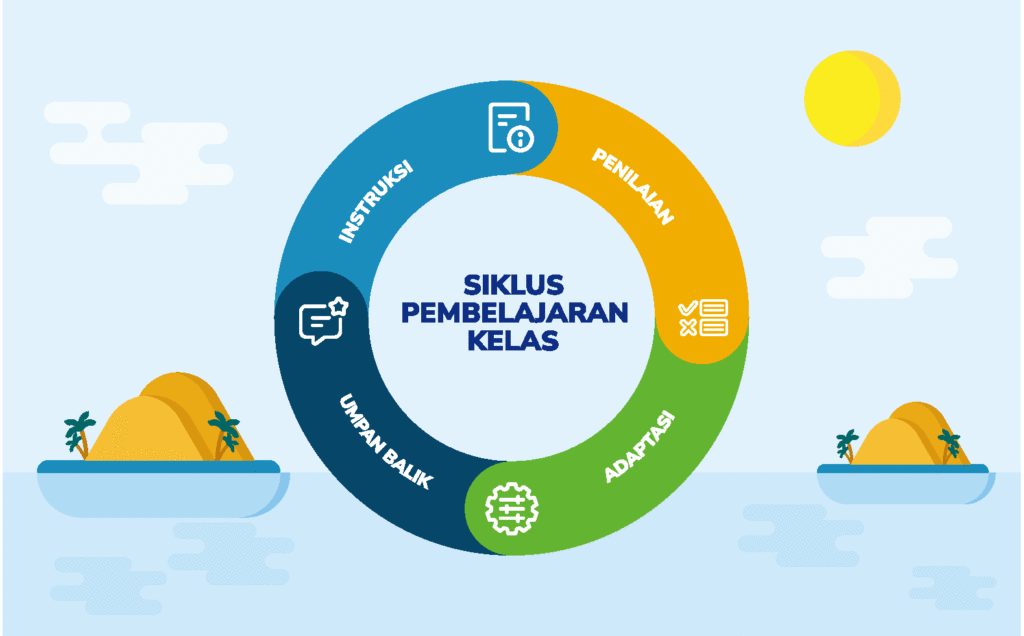
Regular formative assessments help teachers identify which students need extra support. This ongoing feedback allows for tailored instruction, ensuring that no child is left behind. Research consistently finds that these types of assessments have a strong positive impact on learning (Hattie, 2003).
System-Level Strategies for Success
While effective classroom practices are critical, broader system-wide approaches play an equally important role:
Teacher Development:
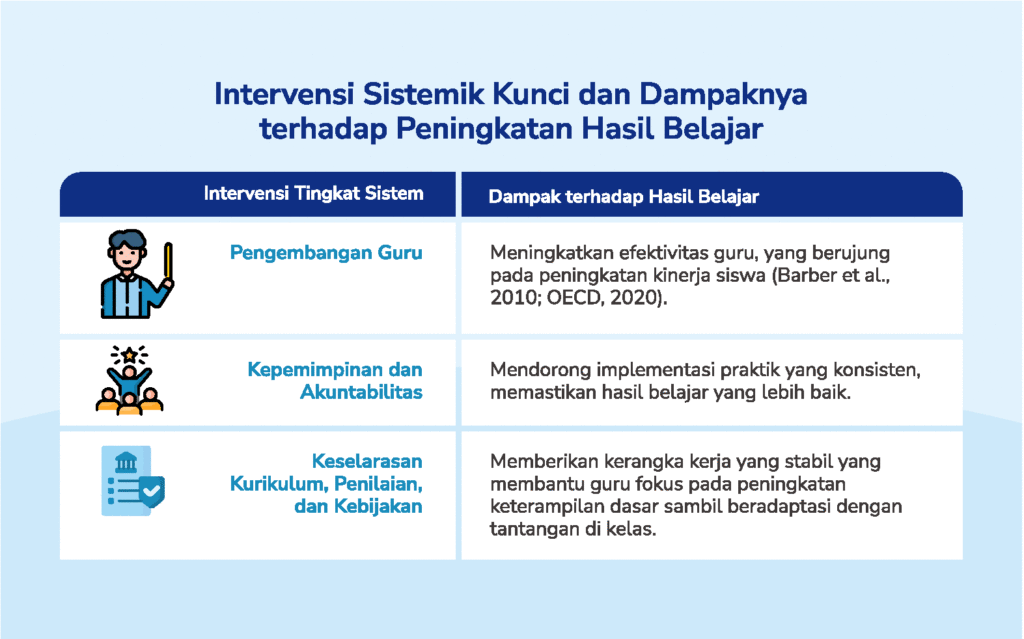
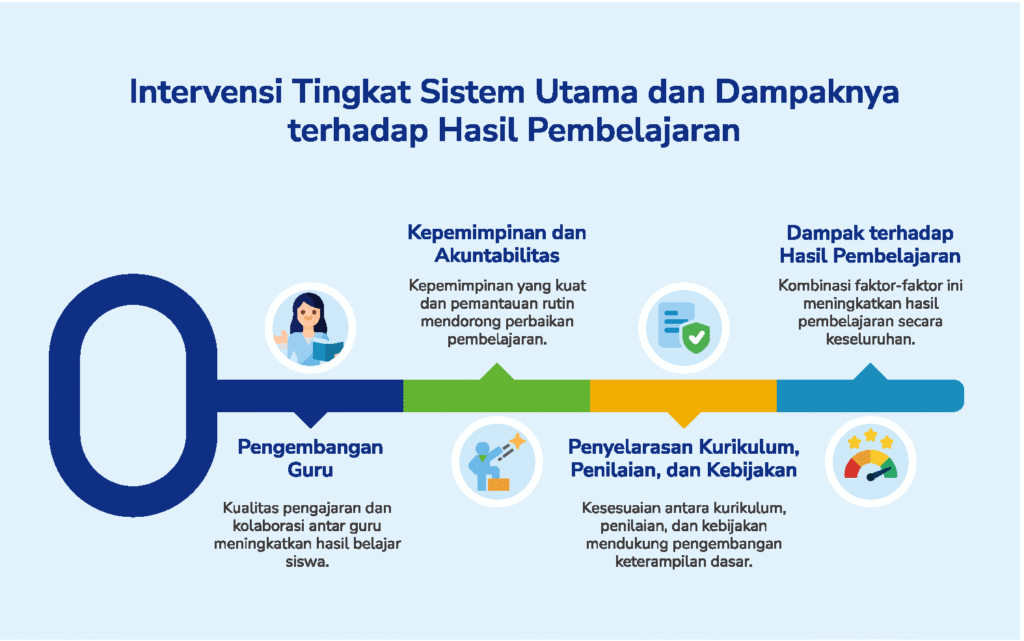
The quality of teaching is the single biggest factor influencing student outcomes. Well-trained and continuously supported teachers are essential. Programs that encourage collaboration—where teachers share ideas and tackle challenges together—have proven especially effective.
Hard Fact: Studies from McKinsey and OECD emphasize that teacher effectiveness can explain a significant portion of the variance in student performance (Barber et al., 2010; OECD, 2020).
Leadership and Accountability:
Strong leadership at the school and district levels ensures that new practices are implemented consistently. Clear goals, regular monitoring, and accountability measures can drive systemic improvements in learning outcomes.
Alignment of Curriculum, Assessment and Policy: A coherent system that aligns curriculum, assessment, and professional development supports teachers and helps maintain focus on improving basic skills. Indonesia’s past experiences with top‑down curriculum changes highlight the need for a more adaptive approach that gives teachers the flexibility to address real classroom challenges.
Adapting to Local Contexts
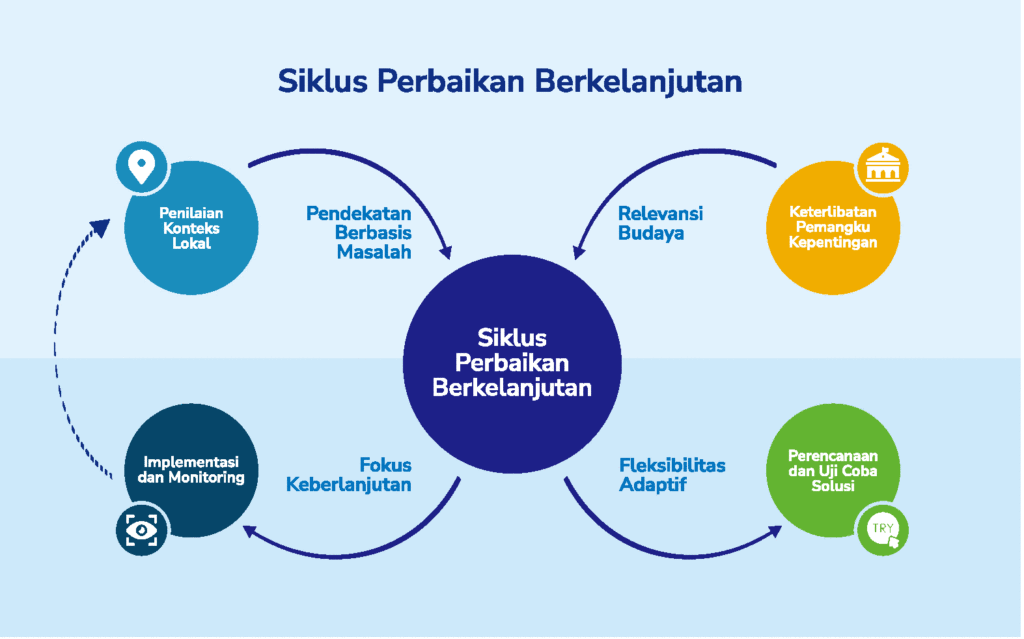
Indonesia is a vast and diverse country where a one-size‑fits‑all approach simply won’t work. The nation’s increased enrolment in junior secondary school – from 46% in early PISA rounds to 85% by 2018 – means that more students from remote and disadvantaged areas are now in school. This diversity calls for adaptive strategies that account for local challenges.
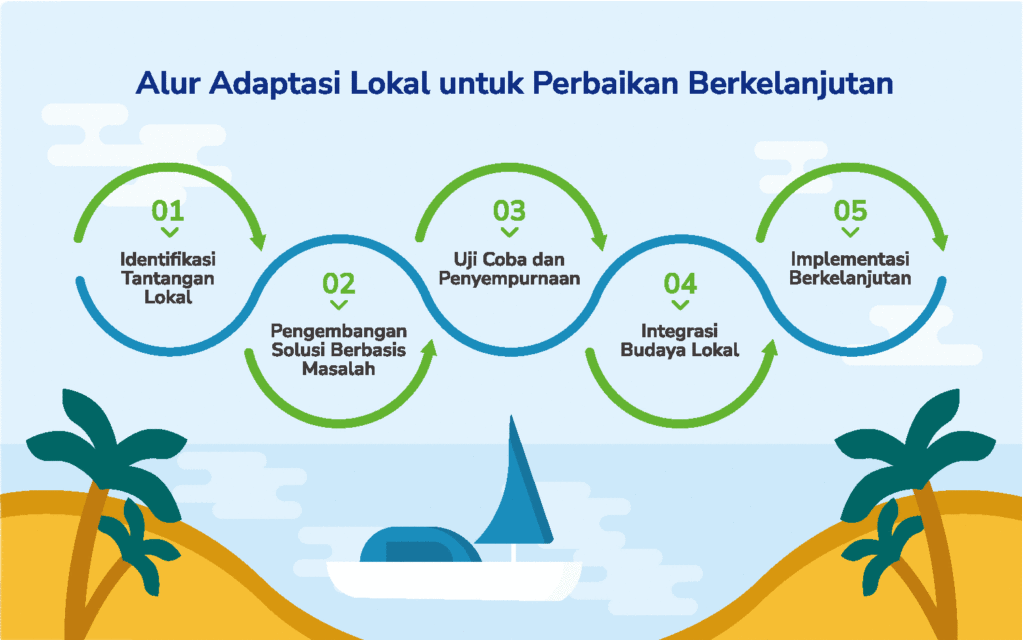
Local stakeholders are testing and refining solutions that fit their unique situations. Adaptive, problem-driven methods have been more successful than rigid, imported models. These locally developed approaches ensure that interventions are practical, sustainable, and culturally relevant.
Key Takeaways and Looking Ahead
High Enrolment, Low Achievement:
Despite over 90% enrolment, only about 30% of students achieve basic proficiency in reading and math. This stark contrast calls for urgent quality improvements (OECD, 2019; World Bank, 2015).
Effective Classroom Strategies Are Proven:
Structured literacy instruction, engaging and age-appropriate books, hands-on numeracy activities, and frequent formative assessments are powerful tools to boost student achievement.
System-Level Supports Are Essential:
Continuous teacher development, strong leadership, and a consistent, well aligned, flexible curriculum can transform learning environments and create lasting change.
Local Adaptation is the Key:
Working together, building local ownership, and tailoring interventions to meet the diverse needs of communities ensures that reforms are effective and sustainable.
Conclusion
Improving learning outcomes in Indonesia is not just about expanding access – it’s about transforming how education is delivered. By focusing on proven classroom practices and strengthening system-level supports, the program offers a roadmap for overcoming the learning crisis. With data showing that only about 30% of students meet minimum standards despite high enrolment rates, the need for these reforms is clear. Through adaptive strategies and local collaboration, Indonesia is charting a new course towards a more effective, inclusive, and sustainable education system.
Insights from INOVASI volume 2 not only outlines the challenges but also highlights concrete, evidence-based strategies that hold the promise of turning high enrolment into high achievement. The journey ahead depends on building on these successes and continuously adapting to meet the evolving needs of every student.